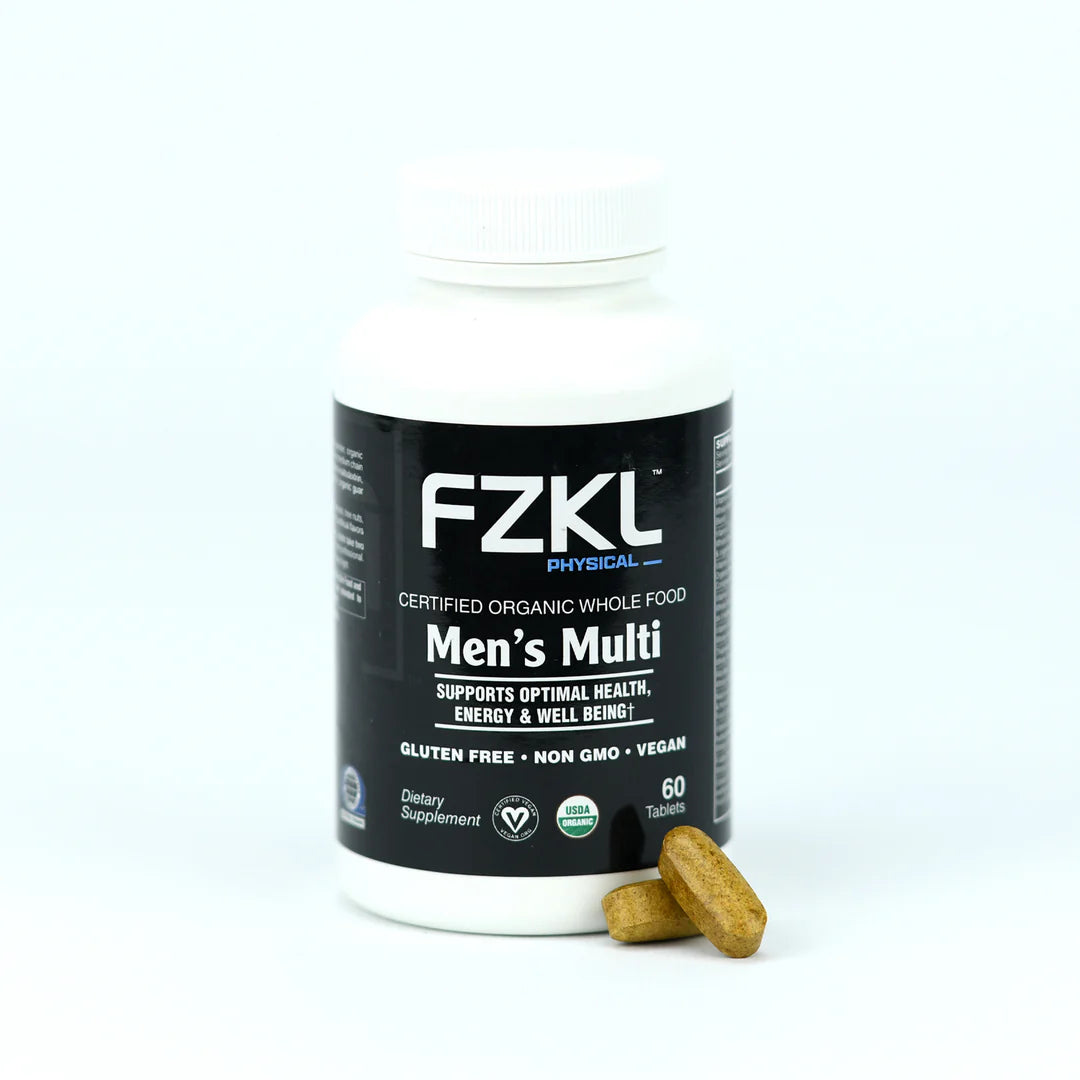
Formulated from real whole foods and organic extracts, ensuring maximum absorption and effectiveness without synthetic chemicals or artificial additives.

Packed with B vitamins and natural herbs to replenish nutrients lost during stress or exercise, helping maintain stamina and faster recovery.

Includes 25 mcg of plant-based vitamin D3 (from algae), supporting bone density, mobility, and long-term joint health.

Rich in organic herbs like Amla Berry, Moringa, and Holy Basil, this blend helps combat oxidative stress while strengthening immune resilience.

Contains Maca and Pumpkin Seed extract to naturally support hormonal balance, energy, and overall performance.

Uses organic whole food ingredients that are gentle on the stomach, promoting digestion and efficient nutrient uptake.

*These statements have not been evaluated by The Food and Drug Administration. This product is not intended to diagnose, treat, cure, or prevent any disease.


What Our Customers Say

"I feel more energized throughout the day and less run down after workouts since starting this multivitamin. I love knowing it’s organic and clean — no junk fillers, just real nutrition."

- Mark S.

LEARN MORE ABOUT OUR PRODUCTS

Everything You Need to Know!

Frequently Asked Questions

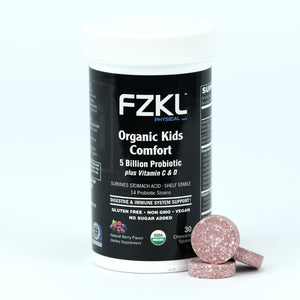
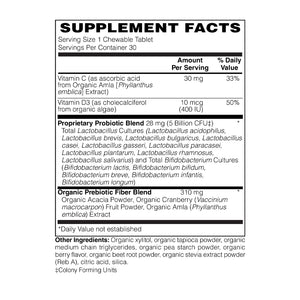
Children's gut microbiomes are still developing, making the early years critical for establishing lifelong digestive and immune health. A healthy gut microbiome (the trillions of beneficial bacteria living in the intestines) plays crucial roles in children's health: it supports immune function (70-80% of the immune system resides in the gut), aids digestion and nutrient absorption (critical for growth and development), produces vitamins (B-vitamins, vitamin K), protects against harmful pathogens, influences mood and behavior through the gut-brain axis, and may reduce allergies and eczema. Modern life disrupts children's microbiomes: antibiotics (while sometimes necessary, they kill beneficial bacteria along with harmful ones), processed foods low in fiber, limited exposure to diverse bacteria (overly sanitized environments), C-section births (babies miss beneficial bacteria from vaginal birth), formula feeding (breast milk contains prebiotics and probiotics), and stress all negatively impact gut health. Research specifically on children shows probiotics can help with acute diarrhea (L. acidophilus helps kids recover faster), gastroenteritis (reduces duration and severity), antibiotic-associated diarrhea (prevents and treats), colic in infants (may be as effective as simethicone drops), eczema (may reduce development and severity), constipation (improves regularity), and immune function (fewer sick days, reduced cold/flu severity). Organic Kids Comfort provides 5 billion CFU of 14 diverse strains to support comprehensive gut health, plus vitamin C and D3 for additional immune support. The organic prebiotic fiber blend feeds beneficial bacteria, helping them thrive and colonize. Starting probiotic supplementation early helps establish a robust, diverse microbiome that supports health throughout childhood and into adulthood.*

Organic Kids Comfort is specifically formulated for children ages 2 and up and is extremely safe when used as directed. Probiotics have an excellent safety profile in children—they've been used for decades with minimal side effects. Our formula is particularly safe because it's USDA Organic (no pesticides, antibiotics, or hormones), Non-GMO, allergen-free (no common allergens like dairy, soy, gluten, nuts), contains no added sugars or artificial sweeteners, and uses strains with extensive safety data in pediatric populations. The 5 billion CFU potency is appropriate for children—not too high to cause digestive upset, but sufficient to provide benefits. For children under 2 years old, consult your pediatrician before use, though probiotics are generally considered safe even for infants (many pediatricians recommend them for colic). The chewable tablet format is designed for children who can safely chew and swallow—if your child is too young to chew tablets, you can crush it and mix with a small amount of food or liquid. Occasionally, some children may experience mild, temporary digestive changes (gas, bloating, or changes in stool) during the first few days as their gut microbiome adjusts—these typically resolve quickly. If symptoms persist beyond a week or are concerning, discontinue use and consult your pediatrician. The vitamin C (30mg) and vitamin D3 (400 IU) amounts are safe and appropriate for children, providing immune support without risk of excess. Store out of reach of children, as the delicious taste may tempt them to eat more than one tablet. Overall, this probiotic is one of the safest, most beneficial supplements you can give your child for supporting digestive and immune health.*


This is one of the most important uses of probiotics for children. Antibiotics are sometimes necessary to treat bacterial infections, but they have a significant downside—they kill beneficial gut bacteria along with harmful bacteria, disrupting the microbiome and often causing antibiotic-associated diarrhea (affects 20-30% of children taking antibiotics). Here's the protocol: During antibiotic treatment, give Organic Kids Comfort daily, but separate it from antibiotic doses by at least 2 hours. For example, if your child takes antibiotics at 8am and 8pm, give the probiotic at 11am or 2pm. This timing ensures the antibiotic doesn't kill the probiotic bacteria before they can colonize the gut. Continue giving probiotics throughout the entire antibiotic course. After completing antibiotics, continue probiotics for at least 2-3 weeks (ideally 4-6 weeks) to fully restore gut flora. Research shows this approach significantly reduces antibiotic-associated diarrhea, speeds microbiome recovery, and may reduce the risk of antibiotic resistance developing. Some studies suggest that children who take probiotics during antibiotic treatment have fewer side effects and recover faster. The 14 diverse strains in our formula help rebuild a robust, diverse microbiome after antibiotic disruption. Even if your child doesn't experience diarrhea during antibiotics, the microbiome is still disrupted—continuing probiotics helps restore balance and prevents long-term consequences like increased susceptibility to infections, allergies, or digestive issues. Many pediatricians now routinely recommend probiotics alongside antibiotics. If your child takes antibiotics frequently (e.g., for recurrent ear infections), consider daily probiotic supplementation even between antibiotic courses to maintain a healthy baseline microbiome.*

Yes, emerging research shows promising benefits for these common childhood conditions. For eczema (atopic dermatitis), several studies suggest that probiotics may reduce the development and severity of eczema in children, particularly when started early in life. The mechanism involves the gut-immune connection—a healthy gut microbiome helps regulate immune function and reduce the inflammatory responses that contribute to eczema. While results vary by individual, many parents report improvements in their child's eczema after 8-12 weeks of consistent probiotic use. For best results, combine probiotics with other eczema management strategies (moisturizing, identifying triggers, appropriate skincare). For allergies, the "hygiene hypothesis" suggests that reduced microbial exposure in modern life contributes to increased allergies and asthma. Probiotics help train the immune system to respond appropriately rather than overreacting to harmless substances. Some research shows probiotics may reduce the risk of developing allergies, though they're not a cure for existing allergies. For digestive issues, probiotics are highly effective: they help with constipation (improves regularity and stool consistency), diarrhea (reduces duration and severity), gas and bloating (improves digestion), abdominal pain (reduces discomfort), and general digestive upset. The L. acidophilus strain in our formula has specific research supporting its use for acute diarrhea in children. For colic in infants, some studies show probiotics (particularly L. reuteri) may be as effective as simethicone drops for reducing crying time. The key is consistency—give probiotics daily for at least 4-8 weeks to see benefits for chronic conditions like eczema or allergies. For acute issues like diarrhea, benefits may appear within a few days. Always work with your pediatrician to address underlying causes while using probiotics as supportive therapy. Probiotics are not a replacement for medical treatment but can be a valuable complementary approach for many childhood health concerns.*

*These statements have not been evaluated by The Food and Drug Administration. This product is not intended to diagnose, treat, cure or prevent any disease.